“Real progress depends on how well we align partnerships, amplify voices, and use every platform—from policy spaces to media—to drive action.”
Maintaining progress towards the SDG health targets will require more than shared learning. It will depend on how effectively insights are translated into coordinated implementation that improves service delivery where it matters most. In many countries, health systems continue to face persistent challenges—from workforce gaps and commodity stock-outs to weak referral systems—affecting the consistency and quality of services.
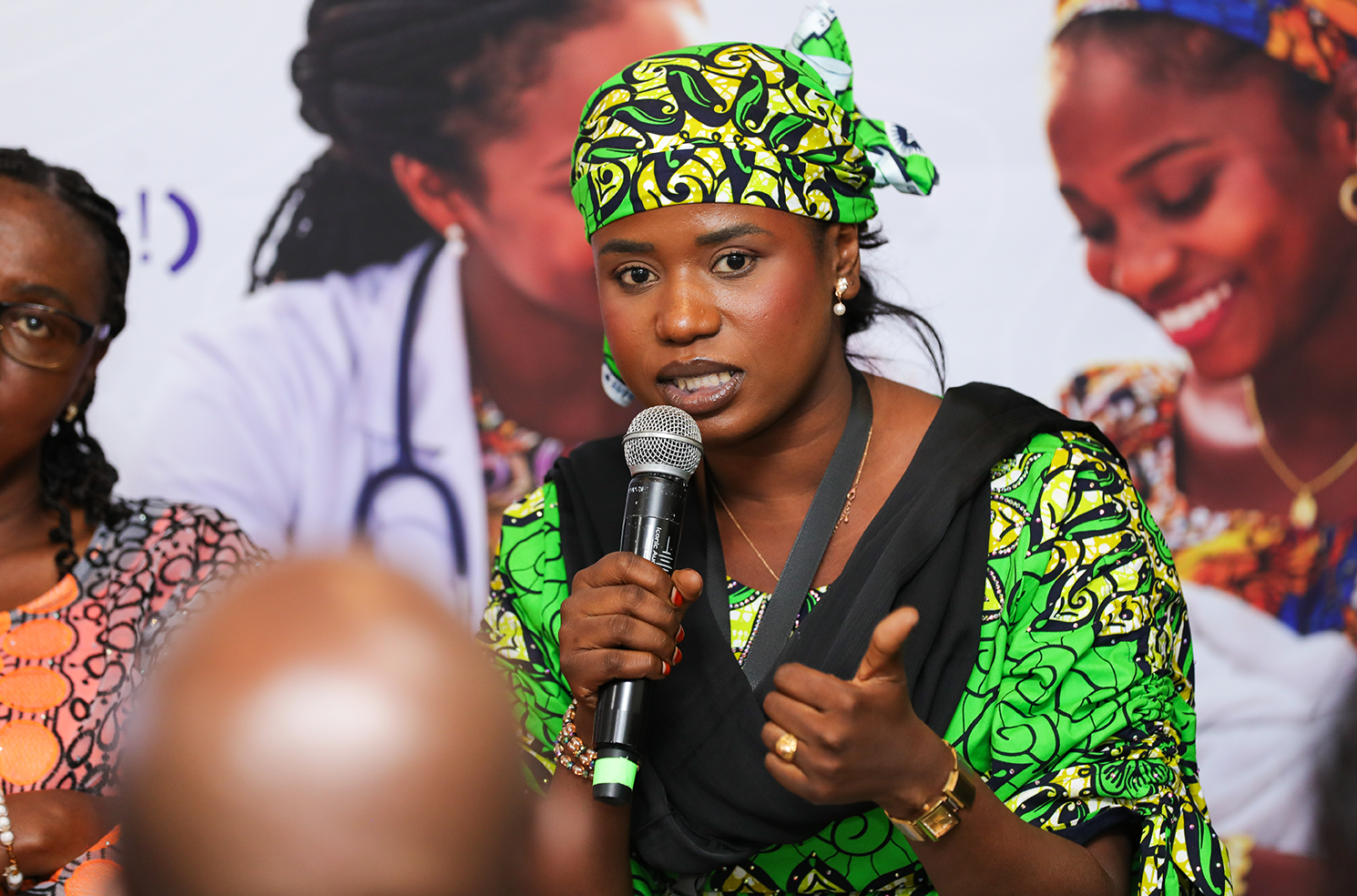
During the International Maternal and Newborn Health Conference 2026 in Nairobi, we convened civil society, government, and strategic partners for a peer learning session. The discussion drew on key lessons from partners across Côte d’Ivoire, Ethiopia, Kenya, Nigeria and Senegal—highlighting shared challenges and practical solutions from implementation.
A clear opportunity emerged: stronger coordination by civil society, deeper collaboration with governments, and more intentional use of media can help unlock key barriers. The emphasis now is on turning these insights into implementation—aligning efforts and scaling what works to deliver real improvements in services for every woman and newborn.