An empty shelf at a health facility rarely starts there. More often, it begins years earlier, when financing commitments are delayed or deprioritized. In 2021, Kenya committed through FP2030 to fully finance its family planning commodity requirements by 2026. Since then, family planning funding has appeared in successive national budgets.
However, despite these allocations, the funds were never released, leaving family planning consistently under-prioritized and delaying the procurement of essential commodities. According to Health NGOs Network Kenya (Hennet)'s analysis of the FY2025/26 budget, the country requires approximately KES 3 billion (USD 22.9 million) annually to finance family planning commodities.
However, only KES 500 million (USD 3.8 million) was allocated—about 17% of the estimated annual requirement.
Previous allocations also remained largely unreleased, widening the gap between government commitments and the commodities available at health facilities.
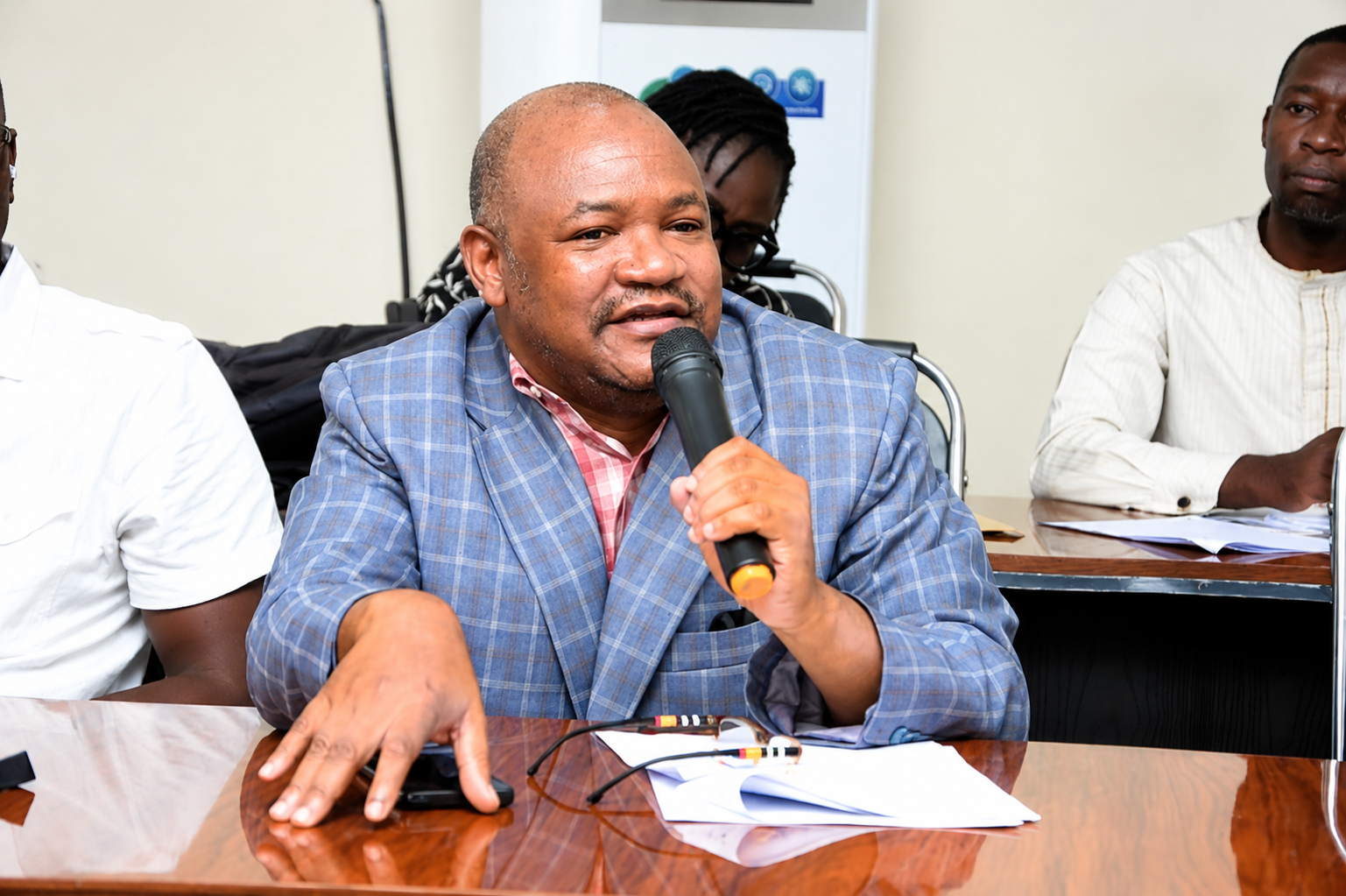
Recognising this challenge, the Health NGOs Network Kenya (Hennet), with support from Samasha, convened the National Council for Population and Development (NCPD), young parliamentarians, advocates, and development partners to push for the release of the committed funds.
Using evidence to demonstrate the consequences of delayed financing, the coalition successfully advocated for action. In May 2026, the Government released KES 250 million (approximately USD 1.9 million) to the Kenya Medical Supplies Authority (KEMSA) for the emergency procurement and distribution of family planning commodities.
The release was an important milestone, showing that evidence-based advocacy can transform commitments into action. However, it also underscored a broader lesson: releasing funds is only the first step. Commodity security depends not only on timely disbursement but also on ensuring that financing is sufficient to meet demand.
“Budget commitments only improve lives when they are released—and released on time.”
Kenya’s experience shows where commodity security begins. Nigeria’s experience demonstrates what happens next.